
What Does a Home Caregiver Do? A Guide for Families
When an aging parent begins to struggle with everyday activities, you may start wondering how to help them stay safe, comfortable, and independent at home.
Perhaps your mother is finding it harder to prepare meals. Maybe your father needs help getting around the house, or you have noticed that your loved one spends too much time alone.
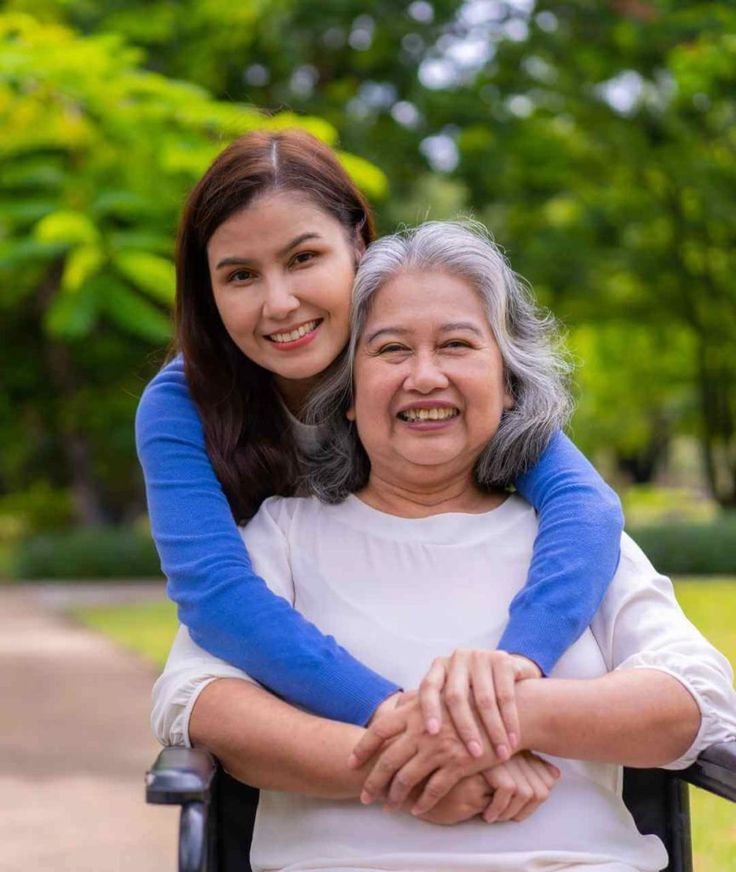
These changes can be difficult for families. You want to be there for your loved one, but balancing caregiving with work, family, and other responsibilities is not always easy.
This is where a home caregiver can make a real difference.
A home caregiver provides support with daily activities, personal care, companionship, and household tasks, helping individuals maintain their independence while remaining in the comfort of their own homes.
For families exploring home care in Billerica, Massachusetts, or the Greater Boston area, understanding what a home caregiver does can help you decide whether professional support is right for your loved one.
What Is a Home Caregiver?

A home caregiver is someone who assists individuals who need extra help with everyday activities. This may include older adults, people living with disabilities, or individuals who need additional support to manage daily life at home.
Depending on the person's needs and the agreed care plan, a caregiver may help with personal hygiene, meal preparation, medication reminders, light housekeeping, transportation, and companionship.
Unlike moving into a residential care facility, receiving care at home allows individuals to remain in familiar surroundings, maintain their routines, and enjoy the comfort of their own space.
Every person has different needs. Some may require only a few hours of assistance each week, while others may benefit from more regular support.
The goal is simple: to make daily life easier while respecting each person's dignity, preferences, and independence.
What Does a Home Caregiver Do on a Daily Basis?

A home caregiver's responsibilities depend on the individual they support. Some clients need help with household tasks, while others require assistance with personal care and everyday routines.
Here are seven ways a home caregiver can help.
Assists With Personal Care
Everyday activities such as bathing, dressing, grooming, and maintaining personal hygiene can become more challenging with age.
A home caregiver can provide respectful assistance with these tasks, helping individuals feel clean, comfortable, and confident throughout the day.
For many families, this support is about more than completing daily routines. It is about knowing that their loved one can receive help without feeling embarrassed or losing their sense of dignity.
A compassionate caregiver understands the importance of patience, privacy, and treating every person with respect.
Provides Companionship and Emotional Support
Caregiving is not just about helping with physical tasks. Sometimes, the most valuable thing a caregiver can offer is their time and attention.
Imagine an older adult who spends most of the day alone while their children are at work. Having someone to talk to, share a meal with, or enjoy a favorite activity with can make the day feel less lonely.
A companion caregiver can provide meaningful social interaction through conversations, games, reading, hobbies, and other enjoyable activities.
This support can help older adults feel more connected to everyday life while giving family members greater peace of mind.
Helps With Meal Preparation
Preparing meals can become difficult when standing for long periods, shopping for groceries, or managing kitchen tasks becomes challenging.
A home caregiver can help prepare meals based on the individual's preferences and agreed dietary needs.
This may include preparing breakfast, helping with lunch, organizing simple meals, and keeping the kitchen tidy after cooking.
For someone who lives alone, having assistance with meal preparation can make it easier to maintain regular eating habits and enjoy familiar foods.
It also allows family members to worry less about whether their loved one is managing everyday meals comfortably.
Provides Medication Reminders
Keeping track of medication schedules can be confusing, particularly when someone takes several medications throughout the day.
Depending on the care plan and applicable regulations, a caregiver may provide reminders to help an individual follow their established medication routine.
Medication reminders are different from administering medication or providing nursing care. Those responsibilities may require additional qualifications or authorization.
If your loved one needs medication support, ask the home care provider exactly what assistance its caregivers are permitted to offer.
Helps With Light Housekeeping
A comfortable home can make a significant difference in someone's daily life.
However, tasks such as laundry, washing dishes, and keeping frequently used areas tidy can become tiring.
A home caregiver may assist with light housekeeping, including:
Washing dishes and tidying the kitchen.
Doing laundry and changing bed linens.
Light dusting and general tidying.
Organizing frequently used household items.
Keeping walkways clear of everyday clutter.
These small tasks can help maintain a cleaner, more comfortable living environment.
They can also reduce the pressure on family members who may otherwise need to manage these responsibilities alongside their own household duties.
Assists With Transportation and Errands
Getting to a medical appointment, visiting a friend, or shopping for groceries can become difficult when driving is no longer practical.
Depending on the services offered and the care arrangement, a caregiver may help with transportation or coordinate assistance with essential errands.
This support can help individuals maintain important routines, attend appointments, and remain connected to their communities.
For families in Billerica and surrounding Greater Boston communities, transportation assistance may be especially helpful when relatives live far away or have demanding work schedules.
Always confirm transportation arrangements and availability with the care provider.
Supports Daily Routines and Independence
One of the most important roles of a home caregiver is helping individuals continue doing the things they can safely manage themselves.
A good caregiver does not automatically take over every task. Instead, they provide assistance where it is needed and encourage the individual to remain involved in their daily activities.
For example, a caregiver might help someone prepare breakfast while allowing them to choose their meal, or provide support while they get ready for the day.
These seemingly small moments can help a person maintain confidence, control, and independence.
The goal is not to change someone's entire way of life. It is to make their existing routine safer and more manageable.
What Does a Home Caregiver Not Usually Do?
Understanding the difference between non-medical home care and skilled healthcare is important when choosing support for a loved one.
A non-medical home caregiver generally focuses on daily living assistance, companionship, and household support. They do not automatically provide medical treatment or nursing services.
Non-medical home care | Skilled healthcare |
Personal care assistance | Medical diagnosis and clinical assessment |
Companionship and social interaction | Skilled nursing procedures |
Meal preparation | Medical treatment requiring professional qualifications |
Medication reminders | Medication administration where specialized authorization is required |
Light housekeeping | Clinical monitoring and specialized medical care |
The exact scope of permitted services depends on the caregiver's qualifications, the care arrangement, and applicable Massachusetts regulations.
Some individuals may benefit from both non-medical home care and skilled healthcare services. If your loved one has complex medical needs, speak with their healthcare professional about the appropriate level of care.
How Can Home Care Help Families in Billerica and Greater Boston?

Many families want their parents to continue living at home for as long as possible. Home is familiar, comfortable, and often filled with years of memories.
However, providing all the necessary support can become challenging when family members are also managing careers, children, and other responsibilities.
Professional home care can help bridge that gap.
For families in Billerica, Massachusetts, and the Greater Boston area, in-home care may offer several benefits.
More independence: Older adults can continue living in familiar surroundings while receiving help with tasks that have become difficult.
Personalized support: Assistance can be arranged around individual preferences, routines, and needs.
Companionship: Regular social interaction can help individuals feel less isolated and more connected.
Greater peace of mind: Family members can feel more confident knowing that additional support is available.
Help for family caregivers: Professional assistance can ease some of the demands on relatives who are balancing caregiving with work and personal responsibilities.
Home care does not mean a family is giving up responsibility for a loved one. It means creating a support system that helps everyone manage more comfortably.
When Should You Consider Hiring a Home Caregiver?
You do not have to wait for a serious problem before exploring home care options.
Sometimes, the signs appear gradually. Your parent may stop cooking regularly, struggle with household chores, or find it harder to attend appointments independently.
Here are some common signs that additional support may be helpful:
Your loved one struggles with bathing, dressing, or personal hygiene.
Preparing meals has become difficult.
Laundry and household chores are piling up.
They spend long periods alone and would welcome companionship.
They need reminders to follow their daily routines.
Getting to appointments or running errands has become challenging.
Family members are feeling overwhelmed by caregiving responsibilities.
If you recognize some of these signs, consider having an open and compassionate conversation with your loved one.
Ask what they find difficult, what kind of help they would welcome, and what would make daily life easier.
Starting early gives everyone more time to understand the available options and make decisions together.
How to Choose the Right Home Caregiver

Inviting someone into your loved one's home is a personal decision. You want someone who is dependable, respectful, patient, and attentive to individual needs.
Before choosing a home care provider, consider the following questions.
1. What kind of assistance does your loved one need?
Identify the daily activities that have become challenging. This will help you understand whether your family needs companionship, personal care, meal preparation, transportation, or a combination of services.
2. What schedule would work best?
Think about whether your loved one needs occasional visits, help on selected days, or more regular assistance. Ask the provider which schedules are available.
3. What services are included?
Confirm which services the agency offers and whether they match your family's needs.
4. How are caregivers screened and matched?
Ask about background checks, training, experience, qualifications, and how caregivers are matched with clients.
5. How does the agency communicate with families?
Find out how the agency handles concerns, changes in care needs, and communication with relatives.
6. What will home care cost?
Ask for a clear breakdown of rates, minimum service hours, additional charges, and payment arrangements.
Taking time to ask these questions can help your family make a more informed decision and find a care arrangement that feels right.
Frequently Asked Questions About Home Caregivers
What is the difference between a home caregiver and a home health aide?
The terms can overlap, and their exact meaning depends on the employer, services provided, and state requirements.
A home caregiver is a broad term often used for someone who provides daily living assistance and companionship. A home health aide may have specific training or certification requirements and may assist with certain health-related tasks within their authorized scope.
Families should confirm the qualifications and permitted duties of any professional they hire.
Can a home caregiver help an elderly parent who lives alone?
Yes. Depending on the care plan, a home caregiver can help with companionship, personal care, meal preparation, medication reminders, light housekeeping, and other daily activities.
This assistance can help an older adult manage everyday life while remaining in their own home.
Does a home caregiver provide medical care?
Not necessarily. Non-medical home caregivers generally focus on daily living support rather than medical diagnosis or clinical treatment.
If your loved one needs nursing services or specialized medical care, additional healthcare professionals may be necessary.
How many hours a day can a home caregiver provide assistance?
The schedule depends on the individual's needs, the services available, and the arrangement agreed upon with the provider.
Some individuals need only occasional assistance, while others benefit from more frequent or extended support. Contact the agency to discuss available scheduling options.
How much does home care cost in Billerica, MA?
Home care costs vary based on the provider, the number of hours required, the type of assistance needed, and the schedule.
The best approach is to request a personalized quote and confirm any minimum hours, additional fees, and payment arrangements before care begins.
How do I know if my parent needs a caregiver?
If your parent is struggling with personal care, preparing meals, managing household tasks, getting to appointments, or maintaining social connections, it may be time to explore home care.
Talk with your parent about their preferences and consider seeking professional guidance if their needs are changing.
Compassionate Home Care Starts With Understanding
Watching someone you love struggle with everyday activities can be difficult. You may want to do everything yourself, but balancing caregiving with other responsibilities is not always possible.
Seeking help does not mean you care any less. Sometimes, it is one of the most meaningful ways to make sure your loved one receives the attention, assistance, and companionship they deserve.
The right home care arrangement can help individuals remain in familiar surroundings while giving families additional support and peace of mind.
At Expert Home Care Services, we understand that every family has different needs. Our services include personal care, companionship, meal preparation, medication reminders, light housekeeping, and transportation support, helping individuals manage daily life in the comfort of home.
If you are exploring home care in Billerica, Massachusetts, or the Greater Boston area, our team welcomes the opportunity to discuss your family's needs and help you understand the available options.
Contact Expert Home Care Services
Expert Home Care Services
Address: 760 Boston Road, STE B, Billerica, MA 01821
Phone: +1 (978) 294-2176
Email: info@experthomecarema.com
Website: https://experthomecarema.com/
Whether you are beginning to explore home care for the first time or looking for additional support for a loved one, we encourage you to reach out.
Contact Expert Home Care Services today to discuss your loved one's needs and explore compassionate support for your family.
Your loved one deserves to feel comfortable, respected, and supported at home.



Comments