
How to Prevent Falls at Home for Older Adults: A Guide for Massachusetts Families
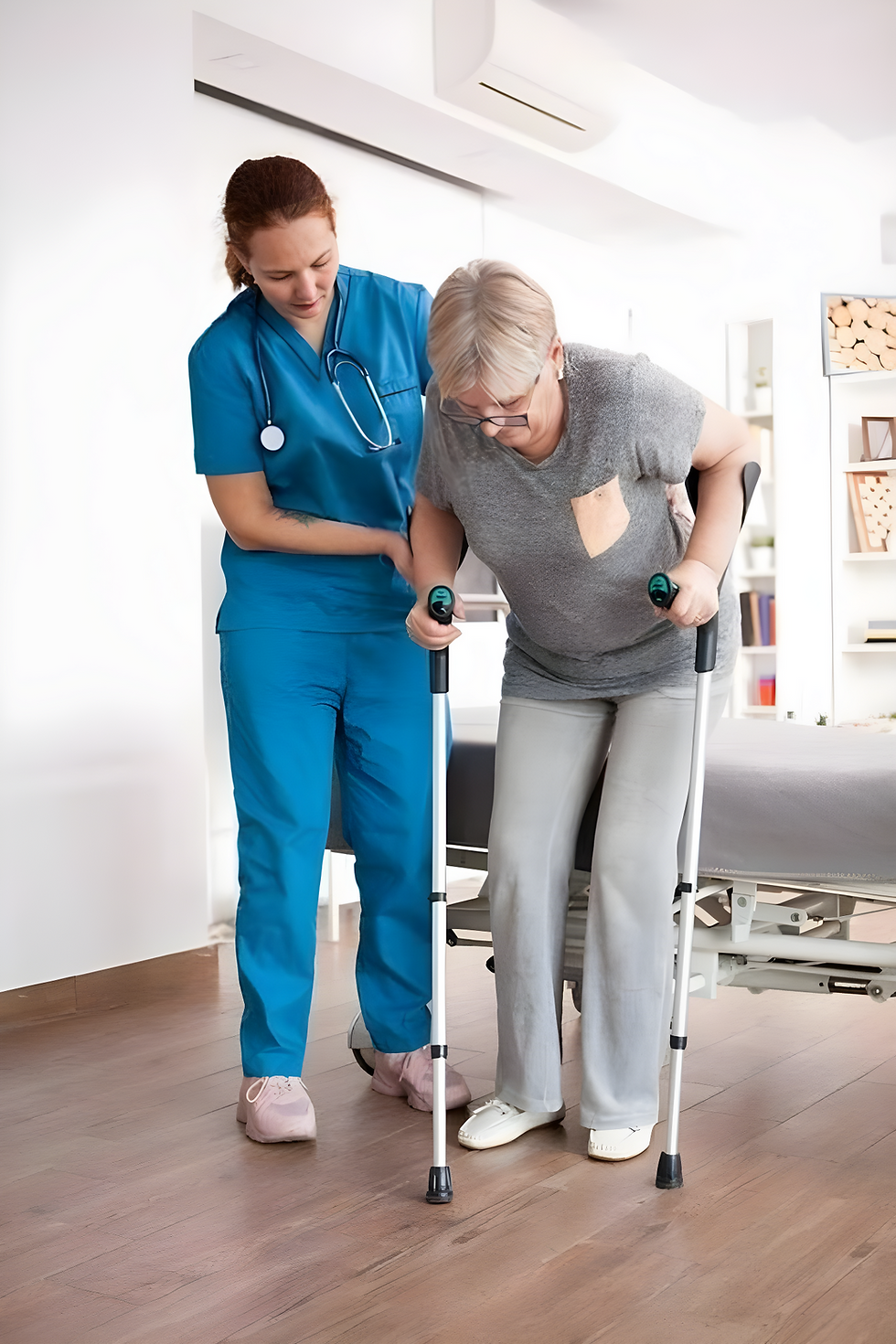
How to Prevent Falls at Home for Older Adults
Watching a parent or loved one become less steady on their feet can be worrying. You may notice them holding onto furniture while walking, moving more slowly around the house, or avoiding the stairs they once used without thinking twice.
Sometimes, these changes happen gradually. Other times, a fall makes a family realize that their loved one needs more support at home.
The good news is that there are practical steps families can take to reduce fall risks and make everyday activities safer. From improving lighting and removing tripping hazards to arranging help with personal care, small changes can make a meaningful difference.
If you are caring for an aging parent in Billerica, Massachusetts, or the surrounding communities, understanding how to prevent falls at home can help you protect your loved one's safety, confidence, and independence.
Why Is Fall Prevention Important for Older Adults?

Falls are not simply a normal part of getting older. According to the Centers for Disease Control and Prevention (CDC), falls can cause serious injuries, including hip fractures, and may affect an older adult's ability to live independently.
Several factors can increase the risk of falling, including:
Reduced muscle strength or difficulty maintaining balance.
Vision problems that make obstacles harder to see.
Medications that may cause dizziness or drowsiness.
Slippery bathroom floors and uneven walking surfaces.
Poor lighting, loose rugs, and cluttered hallways.
Difficulty standing, walking, or moving between a bed and chair.
Often, more than one factor contributes to a fall. That is why effective fall prevention involves looking at both a person's health and the environment in which they live.
For families in Massachusetts, taking these precautions early can help an older loved one continue enjoying the comfort of home while receiving the support they need.
7 Ways to Prevent Falls at Home for Older Adults
1. Remove Tripping Hazards Around the House

A loose rug or an electrical cord may seem harmless, but it can become a serious obstacle for someone who has difficulty walking or maintaining balance.
Start by walking through your loved one's home and looking at each room from their perspective.
Here are a few practical changes to make:
Remove loose rugs or secure them with suitable non-slip backing.
Keep hallways, doorways, and frequently used walkways clear.
Move shoes, bags, and other objects away from walking paths.
Secure electrical cords along walls rather than across floors.
Repair loose flooring and uneven thresholds where possible.
Keep everyday essentials within comfortable reach.
Pay particular attention to the route between the bedroom and bathroom, since older adults may need to make this trip during the night.
A clear, easy-to-navigate home can make everyday movement less stressful for both older adults and their families.
2. Improve Lighting in Hallways, Bedrooms, and Staircases

Imagine waking up in the middle of the night and trying to reach the bathroom in a dimly lit hallway. Furniture, doorways, and changes in floor level can be difficult to see clearly.
Good lighting helps reduce this risk.
Consider installing brighter lights where appropriate, adding nightlights along frequently used routes, and placing a lamp within easy reach of the bed.
Staircases should be well-lit from top to bottom, with clearly visible steps and secure handrails. Motion-activated lighting can also help illuminate dark areas when someone walks through.
For families helping an older parent prepare their home for safer aging, lighting is a simple improvement that should not be overlooked.
3. Make the Bathroom Safer

The bathroom deserves special attention because water, slippery surfaces, and movements such as stepping into a bathtub can increase the risk of falling.
Helpful bathroom safety improvements include:
Installing properly secured grab bars near the toilet and shower.
Using non-slip mats suitable for wet surfaces.
Considering a shower chair when standing for long periods is difficult.
Keeping toiletries, towels, and other essentials within easy reach.
Ensuring the floor is dry and the bathroom is well-lit.
Considering an appropriate raised toilet seat if recommended.
Avoid relying on towel racks, shower doors, or other fixtures that are not designed to support body weight.
If your loved one needs help bathing or getting dressed, having someone available to assist can also make these routines more manageable. The level of support should reflect the individual's mobility and personal needs.
4. Encourage Safe Movement, Strength, and Balance

When an older adult becomes afraid of falling, they may start avoiding walks, household activities, or social outings.
Although caution is understandable, becoming less active can contribute to reduced strength and mobility over time.
Where appropriate, encourage activities that support strength and balance. The CDC identifies strength and balance exercises, including suitable programs such as tai chi, as part of fall prevention.
Before beginning a new exercise routine, speak with a healthcare professional about activities that are appropriate for your loved one's abilities and health.
If they use a cane or walker, make sure the equipment fits properly and that they know how to use it safely.
The goal is not to push someone beyond their comfort level. It is to help them maintain as much safe, comfortable movement as possible.
5. Review Medications and Schedule Regular Vision Checks

Sometimes, the reason an older adult feels unsteady is not immediately obvious.
Certain prescription and over-the-counter medications can contribute to dizziness, drowsiness, or changes in balance. A doctor or pharmacist can review medications and identify potential concerns.
Never stop or change a medication without professional guidance.
Vision is another important consideration. Changes in eyesight can make it harder to recognize obstacles, judge distances, or see steps clearly. The CDC recommends regular eye examinations and updating prescriptions when necessary.
If your loved one has recently experienced dizziness, a change in walking ability, or a fall, encourage them to discuss these concerns with their healthcare provider.
Identifying possible risk factors early can help families make more informed decisions about home safety and daily support.
6. Make Stairs and Frequently Used Areas Easier to Navigate

Stairs can become particularly challenging for someone experiencing weakness, balance problems, or reduced mobility.
Check that stairways have secure handrails, adequate lighting, and no loose carpeting or objects that could cause a trip.
Whenever possible, keep frequently used items on the same floor to reduce unnecessary trips up and down the stairs.
Also consider the layout of the home. Is the bedroom easy to access? Is there a clear path to the kitchen? Can your loved one move comfortably between their favorite chair, bathroom, and other essential areas?
For older adults living in Billerica and nearby Massachusetts communities, these simple home adjustments can help make daily routines easier to manage.
If stairs have become difficult or unsafe, seek professional advice about the safest options rather than encouraging your loved one to manage them alone.
7. Arrange Help With Daily Activities When Needed

Sometimes, the safest change is having another person available to help.
An older adult may be able to manage most of their routine independently but need assistance with bathing, dressing, preparing meals, or moving around the house.
Family members often want to provide all the help themselves. However, work schedules, distance, and other responsibilities can make it difficult to be present throughout the day.
Depending on the person's needs, professional home care can provide practical assistance while allowing them to remain in familiar surroundings.
Support may include help with personal care, companionship, light housekeeping, meal preparation, and medication reminders.
A caregiver can also help keep frequently used areas tidy and provide assistance during agreed daily routines. However, home care does not replace medical fall-risk assessments, physical therapy, or specialist home modifications.
The right care arrangement should be based on the individual's needs, preferences, and level of independence.
Signs Your Loved One May Be at Risk of Falling
You do not have to wait for a serious accident before taking action.
Pay attention if your parent or loved one:
Holds onto furniture or walls to steady themselves.
Has difficulty getting up from a chair or out of bed.
Experiences dizziness when standing.
Avoids stairs or walking because they feel unsteady.
Has had a recent fall or several near-falls.
Struggles with bathing, dressing, or moving around the home.
Appears increasingly anxious about being alone.
These changes do not automatically mean someone needs full-time care.
However, they are reasons to review home safety and speak with a healthcare professional.
If a fall has occurred, tell the person's healthcare provider, even if there appears to be no serious injury. Seek urgent medical attention for concerning injuries, severe pain, loss of consciousness, or a head injury. A head injury is especially urgent for someone taking blood-thinning medication.
How Expert Home Care Services Can Support Older Adults in Billerica, MA
For families in Billerica, Massachusetts, keeping an aging loved one safe at home often means finding the right balance between independence and assistance.
At Expert Home Care Services, we understand that home is more than a place to live. It is where people maintain familiar routines, enjoy meaningful relationships, and feel most comfortable being themselves.
Our home care services provide practical, personalized support for individuals who need help with everyday activities.
Depending on the agreed care plan, support may include:
Personal Care

Assistance with bathing, dressing, hygiene, and other daily activities that may become more challenging with age or reduced mobility.
Companionship

Friendly conversation and social interaction that help older adults feel supported and less isolated throughout the day.
Light Housekeeping

Help keeping frequently used living areas tidy and comfortable, including reducing clutter that could create tripping hazards.
Meal Preparation

Assistance preparing meals so everyday kitchen tasks are easier to manage.
Medication Reminders

Reminders that help clients follow their established medication routines as directed by their healthcare professionals.
Transportation

Assistance with transportation and accompanying clients to appointments or other essential outings, according to their care arrangements.
Our approach is centered on dignity, comfort, and each person's individual needs. Whether a family is exploring occasional assistance or more regular support, the first step is understanding what would make everyday life easier for their loved one.
Home care cannot eliminate every fall risk, and caregivers do not replace medical professionals. However, appropriate assistance can help families manage daily routines with greater reassurance.
If you are exploring home care in Billerica or the surrounding area, contact Expert Home Care Services to discuss the options available for your family.
Helping Your Loved One Stay Safe Without Losing Their Independence

It can be difficult to watch someone you love struggle with tasks that once came naturally. You may worry about leaving them alone, especially if they have already experienced a fall or seem less confident when moving around the house.
But making a home safer does not mean taking away someone's independence.
Start with small changes. Clear the walkways, improve the lighting, check the bathroom, and discuss mobility concerns with a healthcare professional.
Then consider whether additional help with everyday activities would make life safer and less stressful for everyone involved.
For families in Billerica, MA, and nearby communities, Expert Home Care Services can help you explore personalized home care options that support comfort, dignity, and daily living.
You do not have to figure everything out alone.
Contact Expert Home Care Services today to discuss your loved one's needs and learn more about our in-home care services.
Expert Home Care Services
Phone: +1 (978) 294-2176
Email: info@experthomecarema.com
Address: 760 Boston Road, STE B, Billerica, MA 01821
Website: https://www.experthomecarema.com/
Compassionate support for a safer, more comfortable life at home.
Frequently Asked Questions About Fall Prevention for Older Adults
How can I prevent my elderly parent from falling at home?
Start by removing tripping hazards, improving lighting, installing appropriate bathroom grab bars, and keeping walkways clear. Encourage regular vision checks, medication reviews, and suitable strength and balance activities. If your parent struggles with daily tasks, discuss their needs with a healthcare professional and consider appropriate home care support.
What are the most common fall hazards in a home?
Common hazards include loose rugs, cluttered walkways, poor lighting, slippery bathroom floors, uneven flooring, and stairs without secure handrails. Dizziness, vision problems, reduced strength, and certain medications can also increase fall risk.
Can home care help prevent falls?
Home care can support safer daily routines by assisting with personal care, mobility-related tasks within the caregiver's role, light housekeeping, and other agreed activities. Caregivers can help reduce certain everyday hazards, but they cannot guarantee that falls will not occur. Medical assessments and specialized safety modifications may also be necessary.
When should a family consider home care for an older adult?
Consider discussing home care when a loved one struggles with bathing, dressing, preparing meals, moving around the home, or managing everyday routines safely. A recent fall, repeated near-falls, or increasing fear of falling may also indicate that additional support should be explored.
Does Expert Home Care Services serve families in Billerica, Massachusetts?
Expert Home Care Services is based at 760 Boston Road, STE B, Billerica, MA 01821. Contact the agency at +1 (978) 294-2176 or info@experthomecarema.com to discuss your family's needs and confirm service availability for your specific location.


Comments